
Rockville Local
Caulking and Sealing in Rockville, MD
Joint sealing, window caulking, and gap repairs for commercial buildings across Montgomery County.
Request an estimate
Tell us what you need
“Our office has been using RNM Building services for 5 years, The quality of cleaning is excellent and They are dependable. …”
Commercial Caulking and Sealing in Rockville
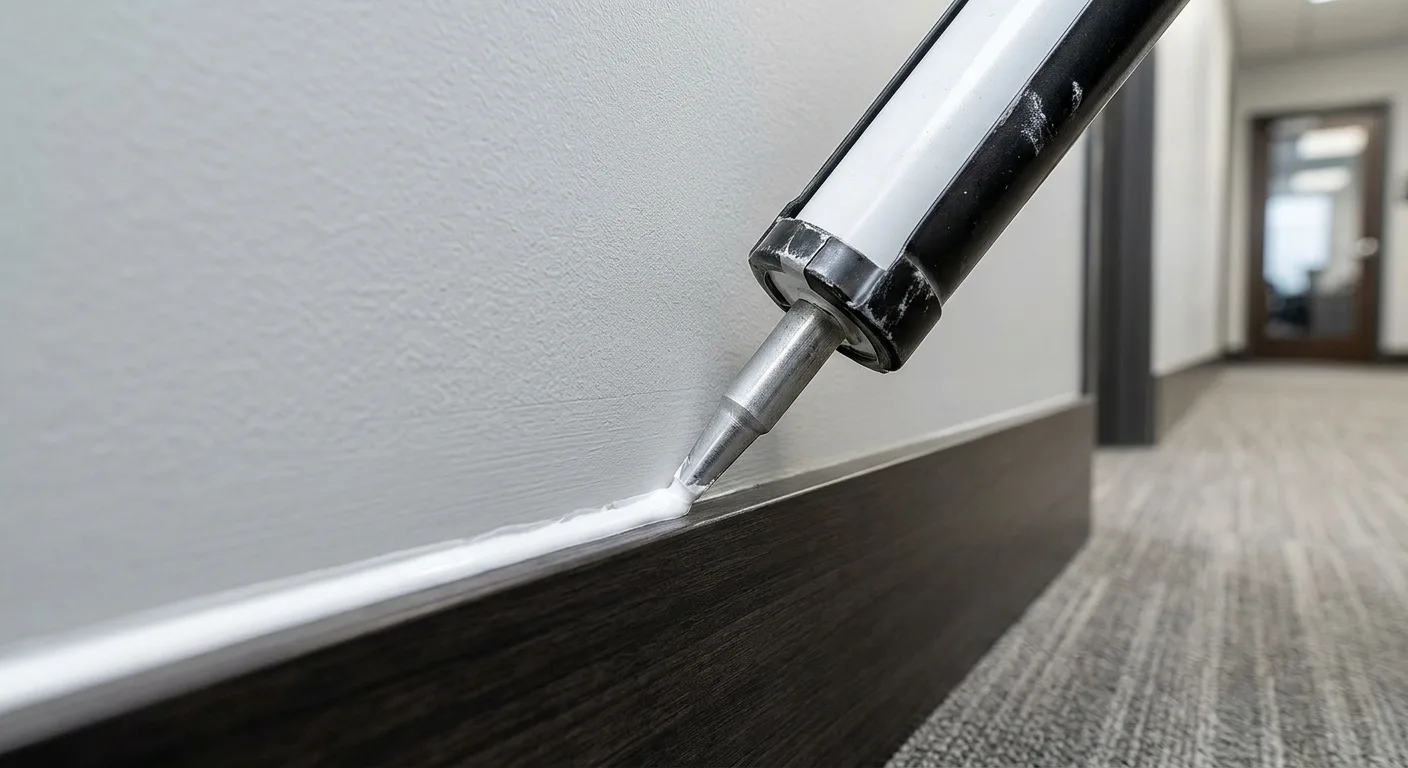
For caulking and sealing Rockville, MD commercial properties trust RNM Building Services, LLC. to protect offices, condominiums, HOAs, and managed properties throughout Montgomery County. Failed caulk around windows, doors, expansion joints, and plumbing penetrations lets water migrate into wall cavities before the damage is ever visible from the inside. We identify the gaps, remove deteriorated material, prep the substrate properly, and apply the right sealant for the application so the repair holds. Call (301) 335-1348 to schedule a walkthrough.
What drives the scope of a caulking job is condition: a single failed window joint is an hour of work; a building with 40 units where the original caulk is chalking, cracking, and pulling away from the frame is a multi-day project. Material choice matters too. Silicone, polyurethane, and latex-acrylic sealants each behave differently at temperature extremes, against wet surfaces, and under paint. We don't use one product everywhere. The substrate, the joint movement, and whether the surface takes paint all factor into which product goes where. Every job is different. Contact RNM Building Services, LLC. for an accurate estimate.
What Commercial Caulking and Sealing Covers
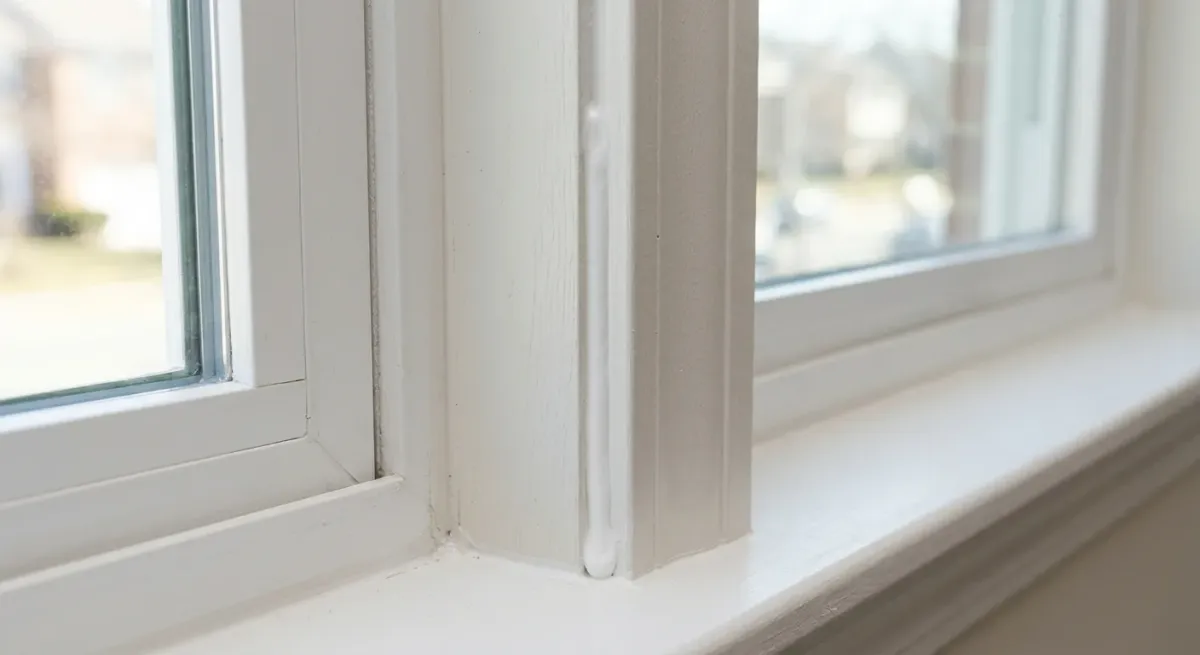
- Window and door frame perimeters on commercial facades
- Expansion joints and control joints in concrete and masonry
- Plumbing and mechanical penetrations through walls and floors
- Countertop-to-wall joints in break rooms and restrooms
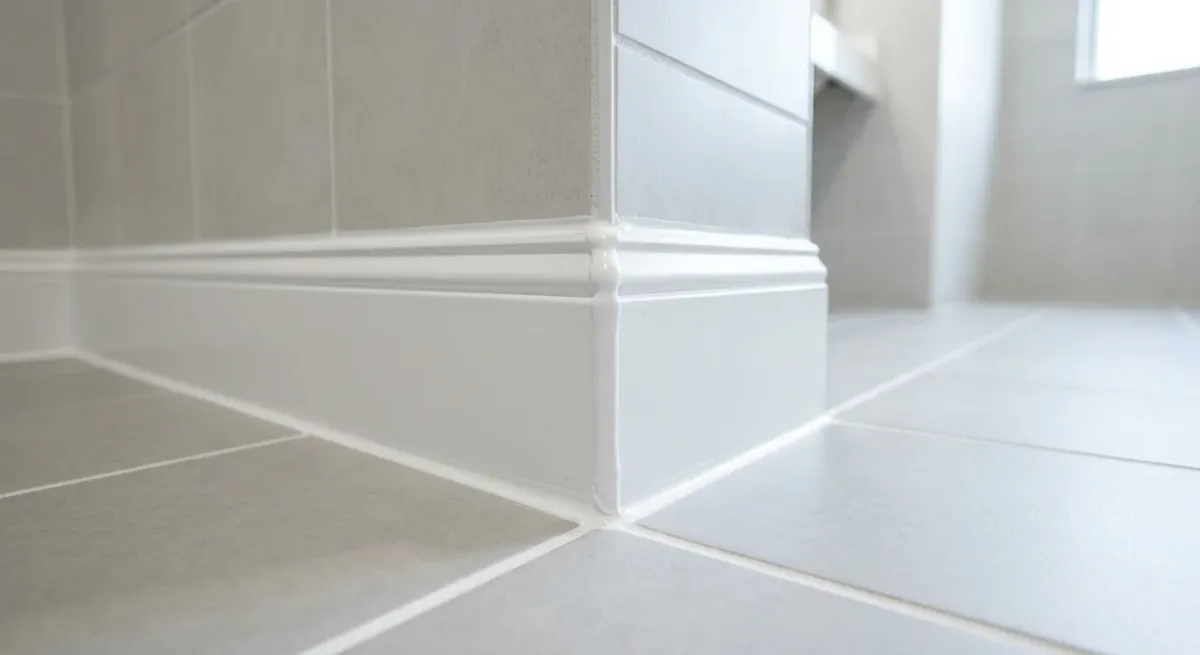
- Baseboard and threshold sealing in high-moisture areas
- Gap sealing prior to painting or finish work
Why It Matters
Failing Caulk Costs More Than Replacing It
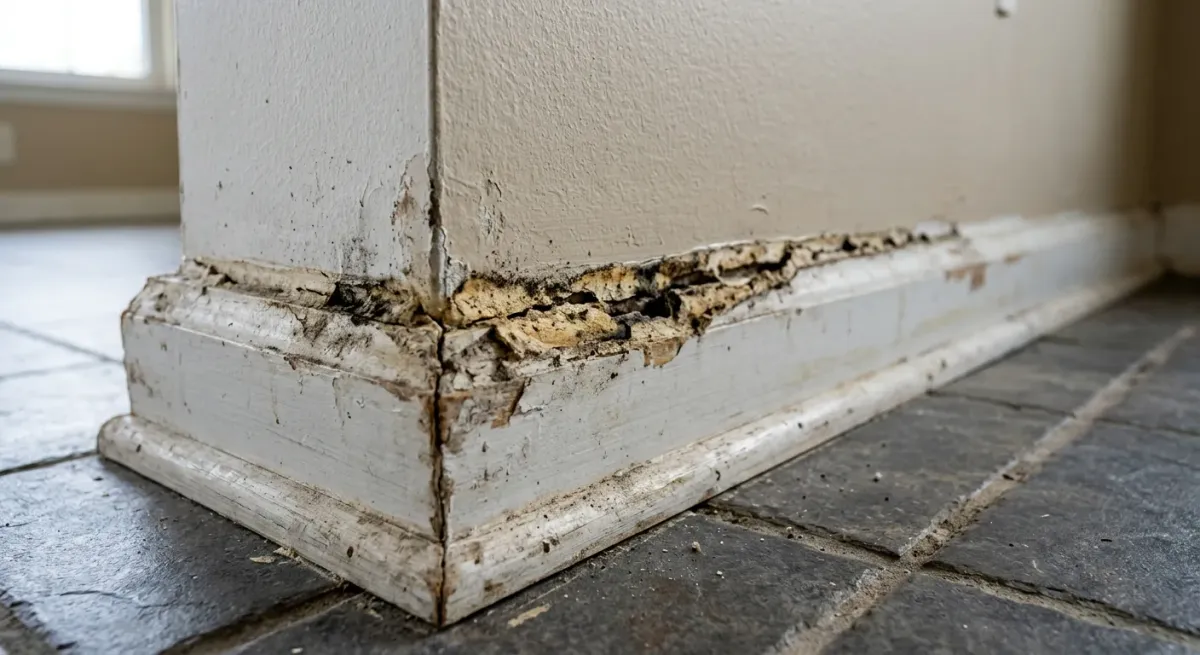
Water infiltration through open joints is one of the most preventable sources of interior damage in commercial buildings.
Water Infiltration
An open joint at a window frame or exterior penetration channels water directly into the wall cavity. By the time staining appears on the drywall inside, the framing has often been wet for months. Catching it at the caulk line is far cheaper than what comes after.
Energy Loss
Air leaking through gaps around frames and mechanical penetrations drives up HVAC load. In a multi-floor office building or condo corridor, the aggregate loss across dozens of unsealed joints is measurable on the utility bill.
Finish Failure
Paint won't hold over cracked or missing caulk. A paint touchup over a failed joint just splits again. We handle the substrate first. That's why texture matching and painting after repairs makes sense as a combined scope rather than two separate calls.
Tenant and Resident Complaints
Drafts, moisture odors, and visible gaps in common areas draw complaints. For property managers handling multiple buildings, those complaints stack up. Getting ahead of deteriorating sealant is simpler than fielding the calls.
Our Process
How We Approach the Work
Walkthrough and Scope
We walk the property with the property manager or building contact, identify every joint that needs attention, and document the scope in writing before any work starts. No surprises on the invoice.
Removal and Prep
Old caulk that's pulling away, cracked, or contaminated with mold gets removed completely. The joint is cleaned and dried before any new material goes in. Applying new sealant over failing old sealant is exactly why most caulk jobs fail early.
Application and Finish
We select the sealant based on joint type, substrate, and exposure. Silicone for wet areas and exterior glass; polyurethane for concrete joints and masonry; paintable latex-acrylic where finish work follows. Tool, cure, and done.
Part of a Larger Scope
Caulking as Part of Handyman and Repair Work
What Changes the Cost of a Caulking Job
Every caulking scope is different. These are the factors that move the number.
- Linear footage and joint count
- A single window surround and a full building exterior are not the same job.
- Condition of existing sealant
- Intact caulk that needs touch-up is faster than fully deteriorated material requiring complete removal.
- Access and building height
- Ground-floor joints are straightforward. Upper floors or exterior high-rise work changes the logistics.
- Sealant type required
- Silicone, polyurethane, and paintable latex each have different material and application costs.
In the field
A look at our work
Frequently asked questions
What type of caulk do you use on commercial exterior windows?
How long does commercial caulking last before it needs to be redone?
Can you seal around HVAC and plumbing penetrations in commercial spaces?
Do you do caulking as a standalone service or only as part of a larger repair?
What areas in Montgomery County do you serve for commercial caulking?
Can you do sealcoating on concrete?
How do I know if the caulk on my building actually needs replacing?
Related
Next step
Get a Commercial Caulking Quote
Call (301) 335-1348 or use the form to describe your building and scope. We'll schedule a walkthrough and provide a written estimate.
Rather talk now?(301) 335-1348
★★★★★
My building has 6 floors and 36 units. Since RNM took over the building has never been so clean! The staff are friendly and professional, and I love the cleaning products they use. Thanks RNM!